

If you’ve ever walked into a pet store (or opened Amazon “just to browse”), you already know this:
The cat industry is very good at making you feel like you’re not doing enough.
More toys. Smarter feeders. Better litter systems. Enrichment gadgets.
It adds up—fast.
But here’s the truth most cat owners learn the hard way:
cats don’t care about most of it.
Cat Products Your Cats Don’t Really Need
The pet industry will always encourage you to upgrade. To optimize. To buy the next best thing. Your cat, meanwhile, will choose the cardboard box. Every time.
And maybe that’s the point.
After digging through real owner experiences and patterns across forums, one theme keeps coming up: 👉 The majority of “must-have” cat products are built for humans—not cats. Let’s save you the money (and the clutter).
1. Overpriced Interactive Cat Toys
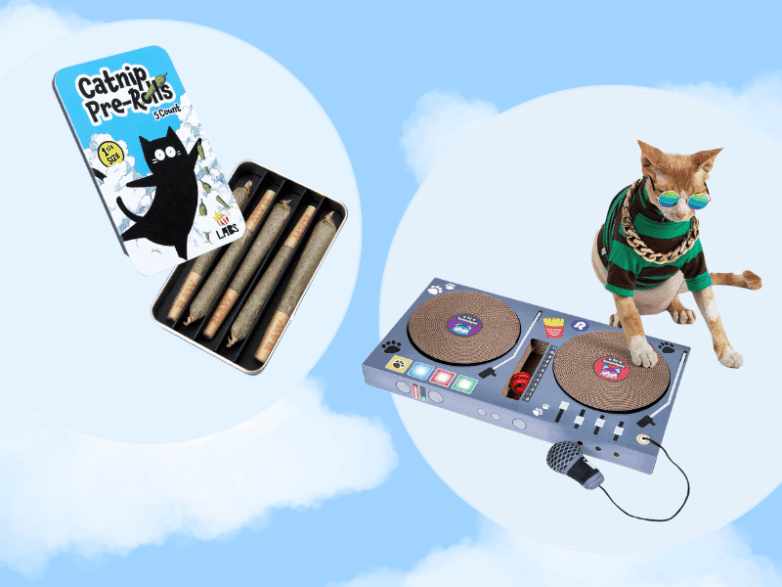
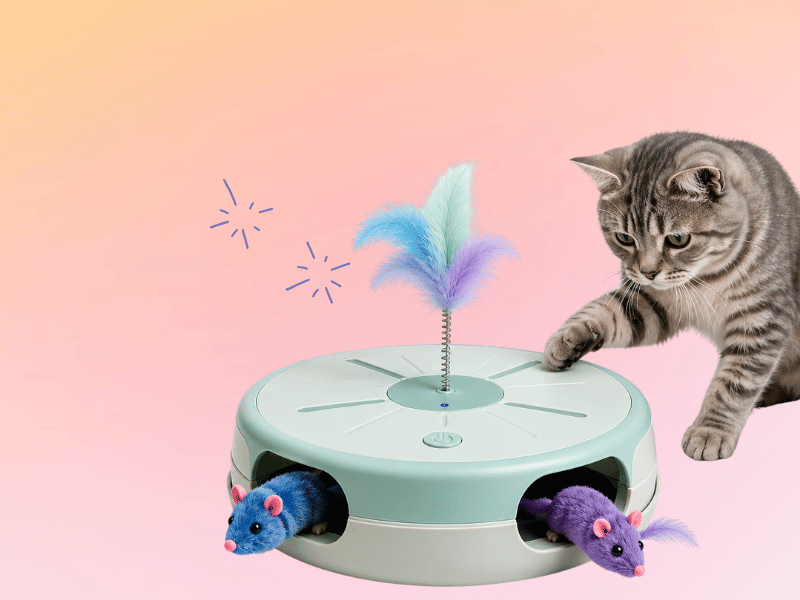
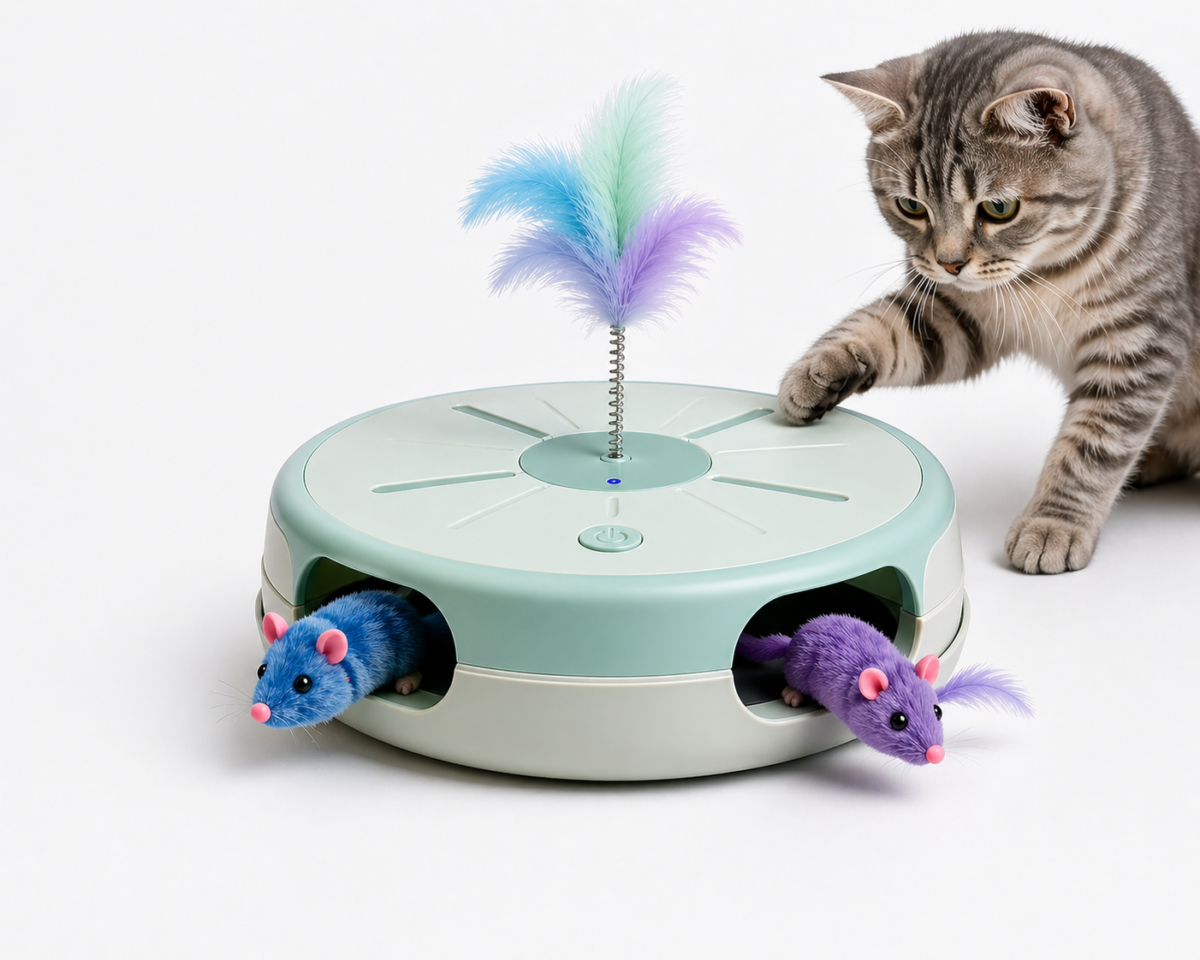
Battery-powered toys, spinning gadgets, motion-activated lasers—these are often positioned as the ultimate solution for busy cat owners. A way to keep your cat stimulated, active, and entertained without requiring your time or attention.
The expectation:
A toy that mimics prey, keeps your cat engaged for long periods, and replaces the need for daily play.
The reality:
Most cats lose interest quickly. The movement becomes predictable, the novelty wears off, and the toy ends up untouched—while your cat happily plays with something far simpler.
Why it doesn’t work:
Cats are wired for interaction and unpredictability. Real play involves timing, variation, and responsiveness—things automated toys struggle to replicate. Without that, the “hunt” disappears, and so does your cat’s interest.
2. Puzzle Feeders & Enrichment Gadgets
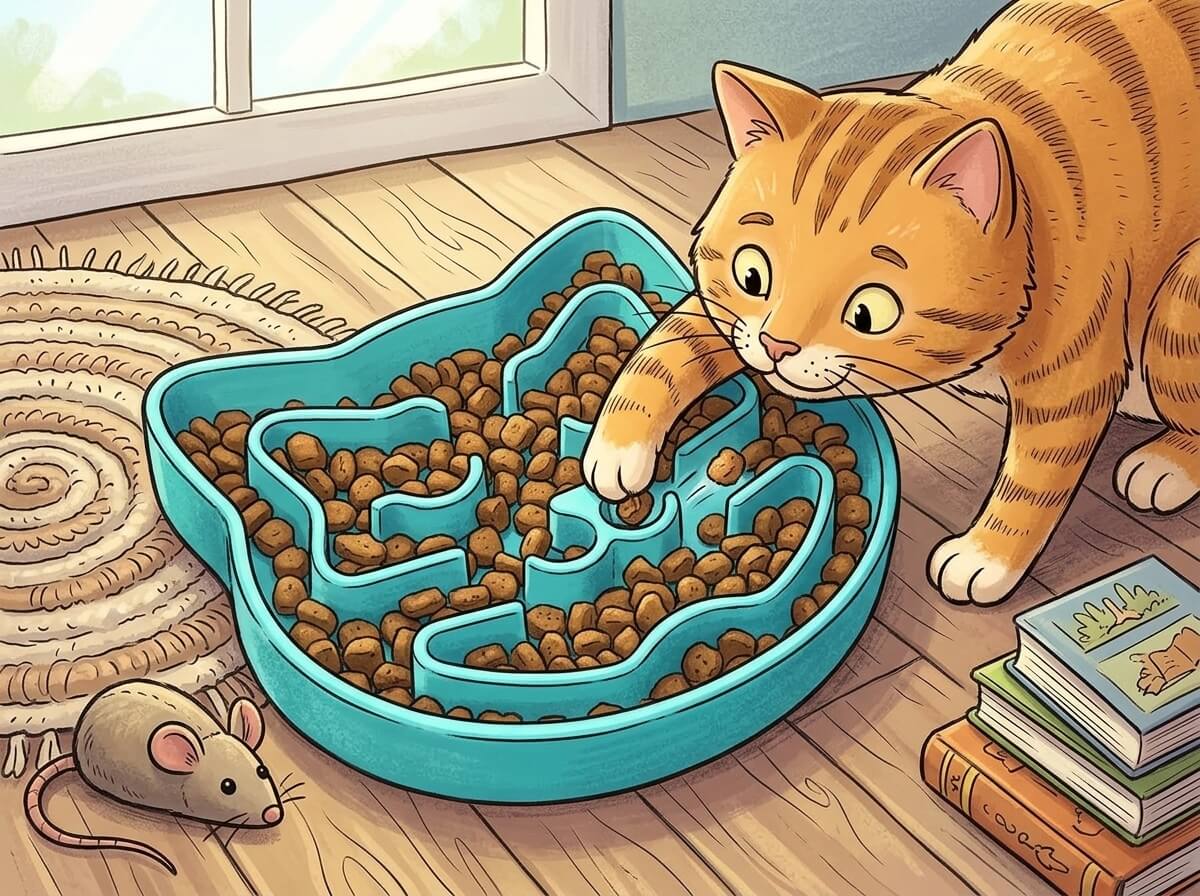
Puzzle feeders are designed to turn mealtime into a mental challenge. They promise stimulation, slower eating, and a more “natural” feeding experience.
The expectation:
Your cat will engage with their food, stay mentally stimulated, and enjoy the process of working for their meal.
The reality:
Many cats simply walk away. Some try briefly and give up, while others become frustrated or refuse to eat altogether.
Why it doesn’t work:
Hunting, for cats, isn’t about solving static puzzles. It’s about movement, chase, and instinct. When food is locked behind a mechanism that lacks those elements, it doesn’t trigger the same behavior—so it often gets ignored.
3. Automatic Feeders (For Most People)
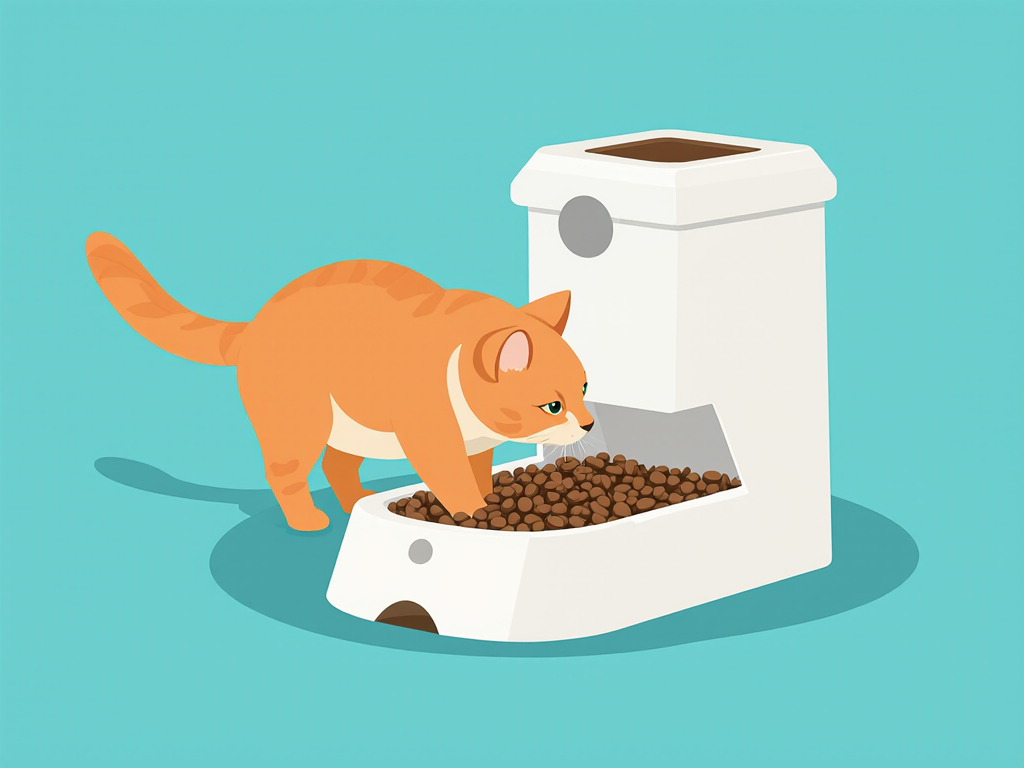
Automatic feeders are marketed as a smart, convenient way to manage your cat’s meals—especially for busy schedules.
The expectation:
Perfect portion control, consistent feeding times, and one less daily task to think about.
The reality:
For many households, they end up replacing a simple routine that was already working. The convenience is there—but so is a subtle loss of interaction.
Why it doesn’t work:
Feeding isn’t just functional—it’s relational. Cats associate mealtime with presence, routine, and connection. When that disappears, the benefit of automation often doesn’t outweigh what’s lost—unless there’s a clear need for it.
What Cats Actually Need
Before adding anything new to your cart, it’s worth pausing here. And because this article is about what not to buy, it’s only fair to say this: some cat products absolutely are worth every penny. A spacious litter box, sturdy scratching post, safe carrier, quality food bowls, interactive wand toys, and a few cozy hiding spots can make the difference between a stressed cat and one that actually feels at home. In other words, the goal isn’t to buy less—it’s to buy smarter.
If you’re bringing home your first cat (or want to make sure you’re investing in the essentials that truly matter), start with my complete guide: New Cat Checklist: Everything You Need Before Bringing Your Cat Home. Your cat may not care about the fancy gadgets—but they’ll absolutely notice when the basics are done right. (moderncatlady.com)