

If you’ve already bookmarked adoption profiles, compared kitten photos, and mentally rearranged your living room for a cat tree, you may think your biggest decision is which kitten to bring home.
According to feline behavior experts, the better question may be this:
Should you be adopting two kittens instead of one?
While many first-time adopters assume one kitten means less work, animal shelters and cat behaviorists often recommend the opposite. In fact, many rescues now prioritize placing young siblings or bonded companions together because kittens tend to develop better social skills, healthier play habits, and greater confidence when raised with another cat their age.
Ahead, here’s what to know before making the call.
Adopting Kittens in Pairs
At first glance, adopting kittens in pairs may sound like doubling your responsibilities.
In practice, it often means sharing the workload.
“Kittens learn through each other,” is one of the most common things foster volunteers will tell new adopters. Play fighting, grooming, chasing, even learning when a bite is too hard—these are social lessons humans simply can’t fully teach.
When kittens grow up with a companion, they’re often:
- Less prone to boredom-related mischief
- Better at reading social cues
- More confident in unfamiliar spaces
- Less dependent on constant human attention
It’s one reason many rescues now encourage paired placements whenever possible.
Kittens in Pairs Tend to Entertain Themselves
One of the biggest surprises about raising kittens in pairs is how much energy they burn without you.
Instead of climbing your curtains out of boredom, two kittens are far more likely to:
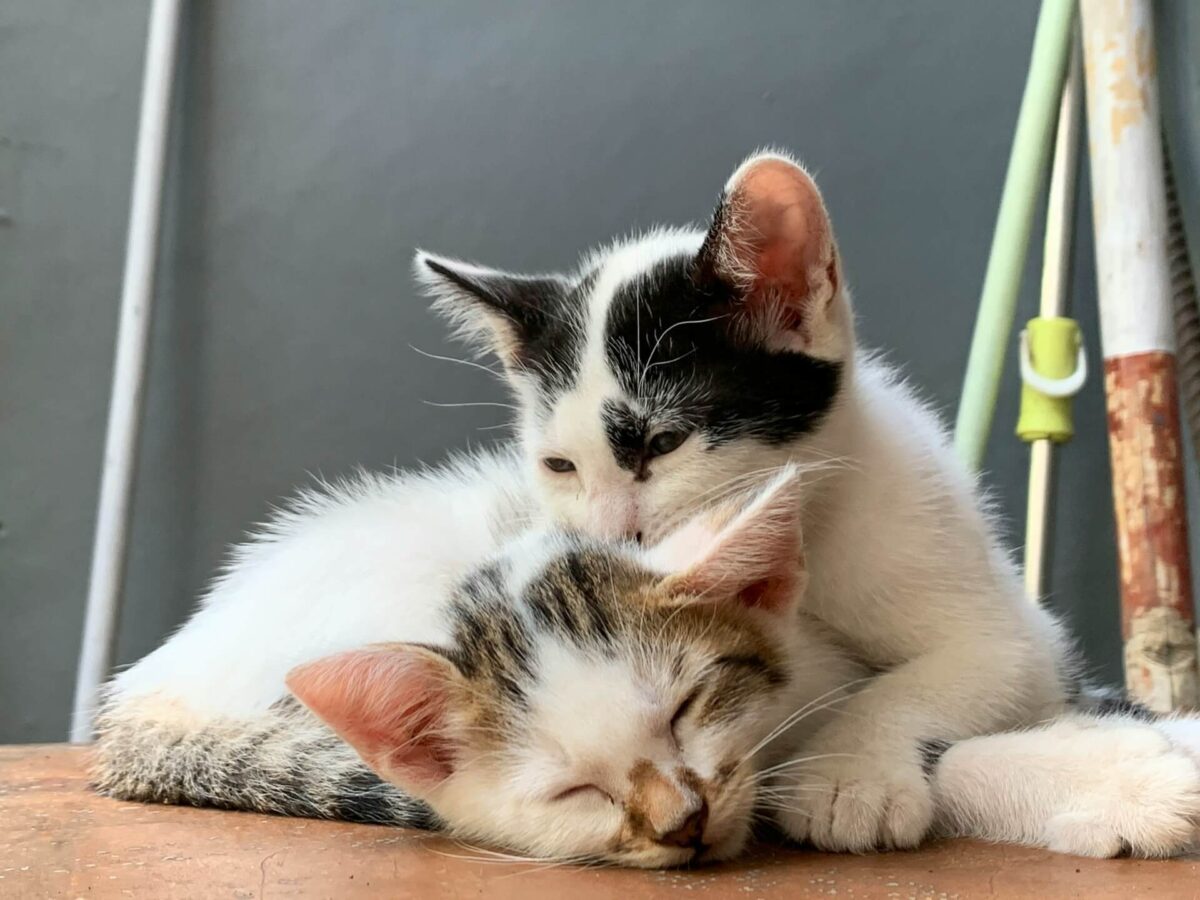
- Wrestle each other
- Chase each other through cardboard tunnels
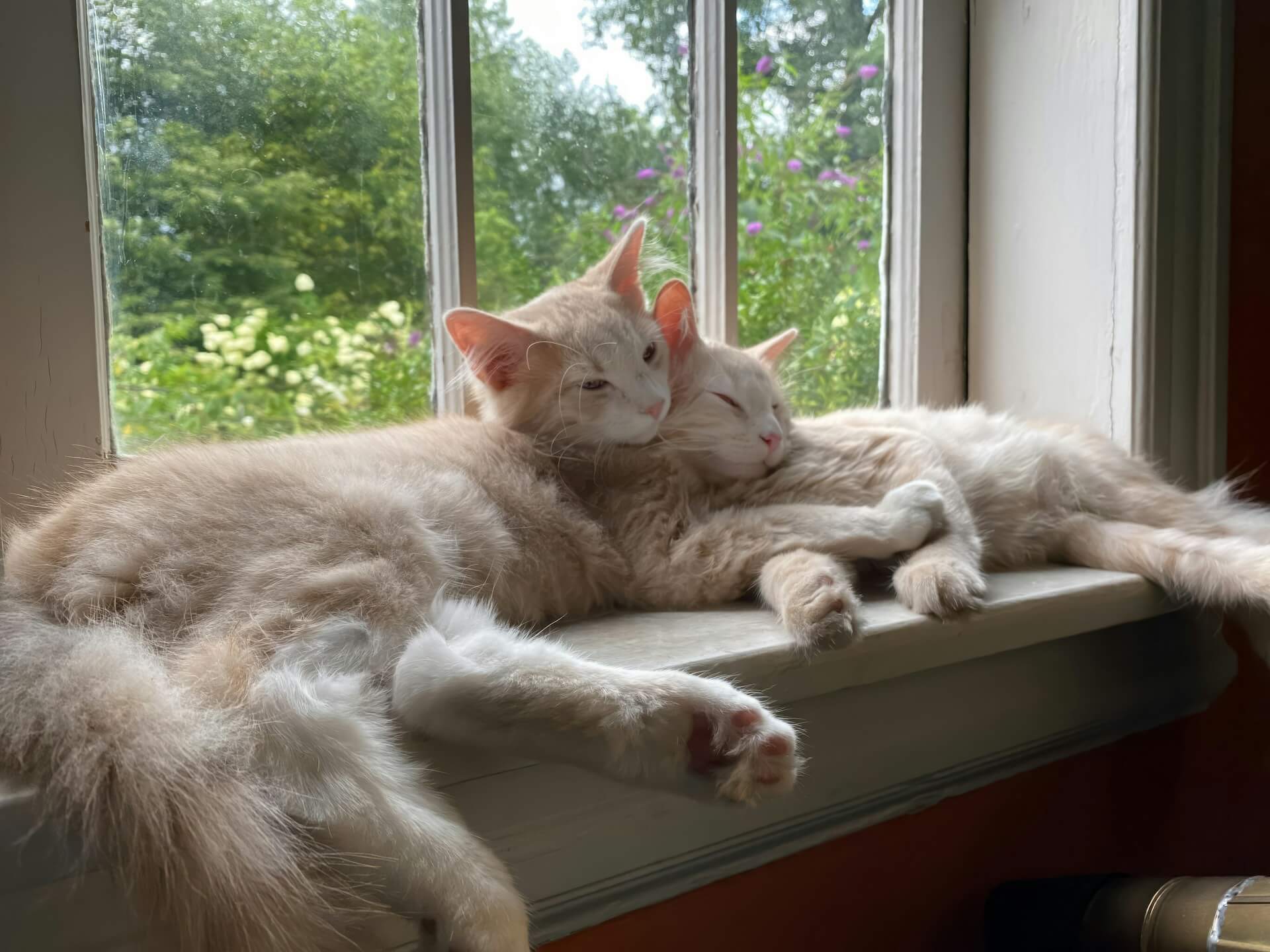
- Nap together after a play session
- Groom each other between zoomies
For people who work outside the home—or simply appreciate uninterrupted coffee—this can make a noticeable difference.
Getting Two Kittens: What Actually Changes?
The phrase getting two kittens often brings one immediate concern: cost.
And yes, there are obvious expenses:
- Food
- Veterinary care
- Spay or neuter appointments
- Additional litter supplies
- More climbing and scratching options
But daily care doesn’t necessarily double.
In many homes, two kittens actually demand less direct entertainment because they become each other’s primary play partners.
The result? Fewer ankle attacks. Fewer midnight wake-up calls. Often, fewer behavioral frustrations.
Why Adopt Two Kittens?
So, why adopt two kittens if one seems simpler?
Because kittenhood is essentially a crash course in social development.
During the first few months of life, kittens learn social skills such as bite inhibition, play boundaries, body language, conflict resolution, and confidence, all through exploration.
Without another kitten, those lessons often fall to you—which can mean rougher play, clingier behavior, or a kitten that struggles with frustration.
That’s one reason many behavior professionals recommend a companion whenever circumstances allow.
Two Kittens or One?
If you’re debating two kittens or one, the answer usually depends less on square footage—and more on lifestyle.
One kitten may work beautifully if:
- You work from home
- You already have another social cat
- You have time for multiple interactive play sessions daily
Two kittens may be the better choice if:
- You work outside the home
- This is your first kitten
- You want built-in companionship
- You’re adopting littermates or bonded siblings
For many adopters, two kittens or one becomes less of a budget question—and more of a behavioral one.
f you’re still in the “Do I really need two?” stage of kitten research, this video might change your mind.
In this short but surprisingly practical explainer, kitten rescuer and educator Hannah Shaw—better known online as Kitten Lady—breaks down why so many shelters encourage first-time adopters to bring home a pair instead of a singleton. She explains how kittens learn bite inhibition, confidence, boundaries, and even litter habits from one another—and why two kittens can actually be less work than one. Her video specifically recommends adopting a pair, especially for first-time kitten parents.
Why Adopt Kittens in Pairs?
Ask foster parents why adopt kittens in pairs, and you’ll hear the same answer again and again:
Because kittens know how to raise kittens. Humans can feed them. Humans can cuddle them. Humans can buy the expensive scratching post. But another kitten teaches them how to be a cat.
And that may be the most valuable thing you can bring home.