

Bringing a new cat home is exciting — and yes, a little nerve-wracking. Whether this is your first cat or your fifth, the transition into a new environment can feel like a big emotional shift for everyone involved.
The good news? With patience, structure, and a calm approach, you can set your cat up for a smooth, confident start — and protect their wellbeing from day one.
How Long Does It Take for a Cat to Adjust to a New Home?
There’s no universal timeline. Every cat adjusts differently.
Some cats settle in within hours. Others may need days, weeks, or even longer to feel fully at home. Personality, age, past experiences, and environment all play a role. What matters most isn’t speed — it’s how you support the process.
If you want to make the transition easier for both of you, follow these steps.
1. Prepare a Safe, Comfortable Space
Before your cat explores the entire house, give them one quiet room to start with — a space where they can decompress and observe without pressure.
Make sure the room includes:
- Food and fresh water
- A clean litter box
- A scratching post
- A comfortable bed
- A few hiding spots (boxes or blankets work perfectly)
This room becomes your cat’s “home base” — a place they can retreat to whenever things feel overwhelming.
2. Let Your Cat Set the Pace
A gradual introduction is key.
Keep the door closed at first and allow your cat to explore the room on their own terms. Sit with them, speak softly, offer treats, and let curiosity lead the way. Avoid forcing interaction — trust builds faster when your cat feels in control.
3. Use Scent Exchange to Build Familiarity
Cats understand the world through scent long before sight.
Gently rub a soft cloth along your cat’s cheeks (where their scent glands are), then rub that cloth on furniture or objects around the house. This helps your cat feel like the space already belongs to them — which can significantly reduce anxiety.
If there are other pets in the home, scent exchange is especially important.
4. Introduce Sounds and Scents Gradually
Every home has its own soundtrack — appliances, voices, music, TVs.
Expose your cat slowly to everyday household sounds so they can adjust without feeling startled. A pheromone diffuser or spray can also help create a calm, reassuring atmosphere during the first days.
5. Supervised Exploration Comes Next
Once your cat appears relaxed in their safe room — eating, using the litter box, and resting comfortably — you can open the door and let them explore the house under supervision.
Watch their body language closely. If they seem overwhelmed, guide them back to their safe space and try again later. There’s no rush.
6. Introducing Other Pets (Slow and Controlled)
If you already have pets, introductions should be gradual and intentional.
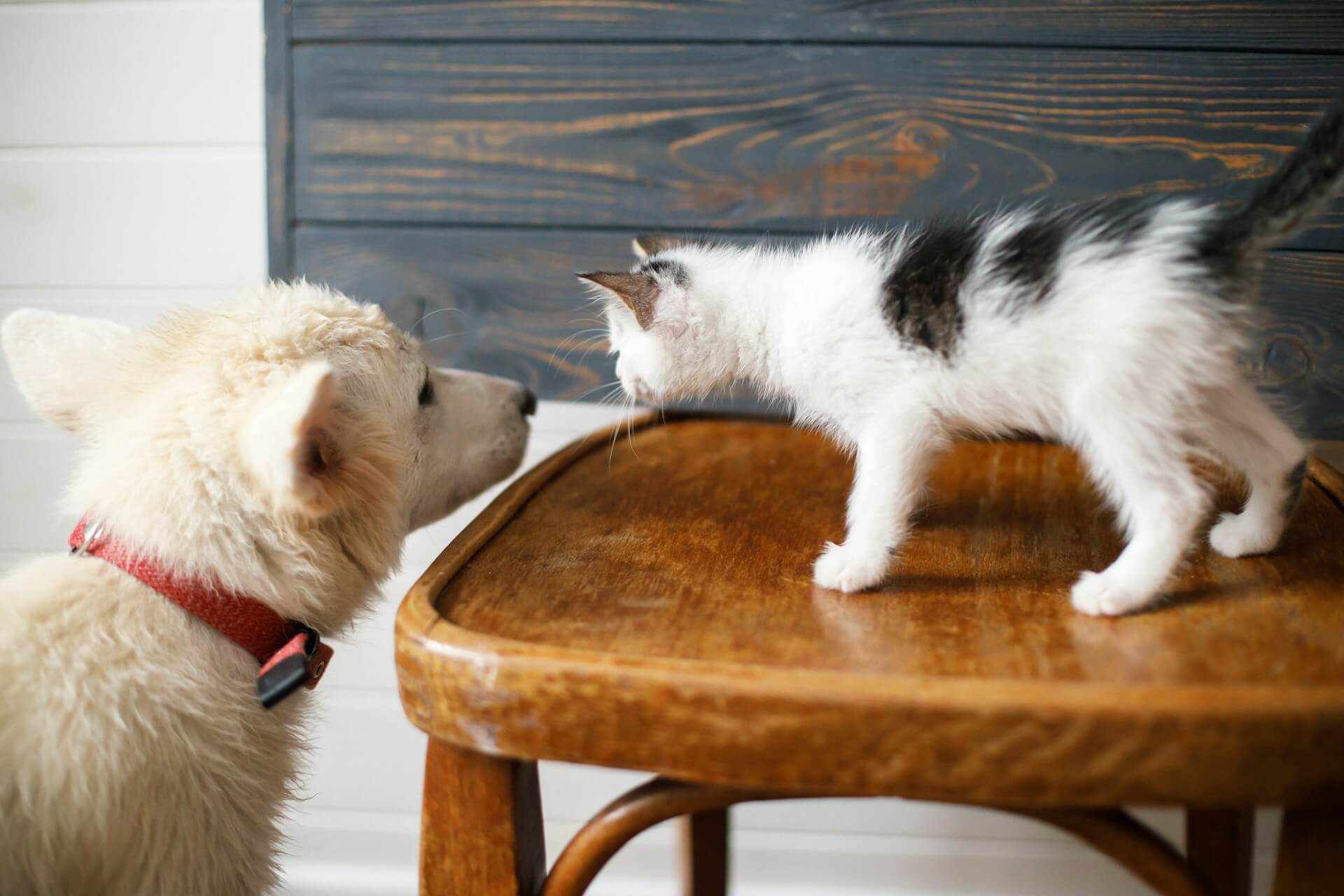
Start with scent exchange before any face-to-face interaction. Rub a cloth on each pet and allow the others to sniff it. When the time comes for visual contact, keep it brief and supervised.
Progress depends on comfort, not timelines.
7. Provide Stimulation and Routine
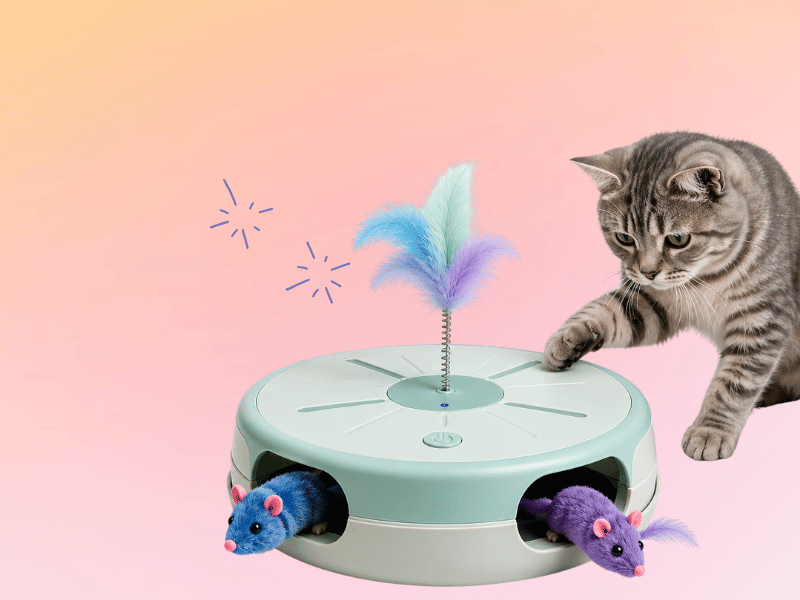
Interactive toys, scratching posts, and puzzle feeders help reduce stress and prevent boredom. A predictable routine — feeding times, play sessions, quiet moments — helps your cat feel secure faster.

And Finally: Be Patient and Observant
Never assume your cat will “just adjust.”
Pay attention to signs of stress or discomfort and adjust your approach if needed. A calm environment, gentle reassurance, and consistency go a long way.
With patience and care, your cat won’t just adapt — they’ll settle in. And when that happens, you’ll know you did it right.