

Bringing a new cat into your home is exciting, but it can also feel a little overwhelming, for both of you. With patience, preparation, and a gentle approach, you can help your cat feel safe, settled, and happy in their new environment.
How Long Does It Take for a Cat to Adjust to a New Home?
Every cat is different. Some cats feel at ease within hours, while others may need days, weeks, or even longer to fully relax. There’s no single timeline, and that’s completely normal.
What does make a difference is how the transition is handled. A slow, thoughtful introduction gives your cat the best chance to adjust comfortably.
Here’s how to support a smoother transition.
Create a Safe, Comfortable Space
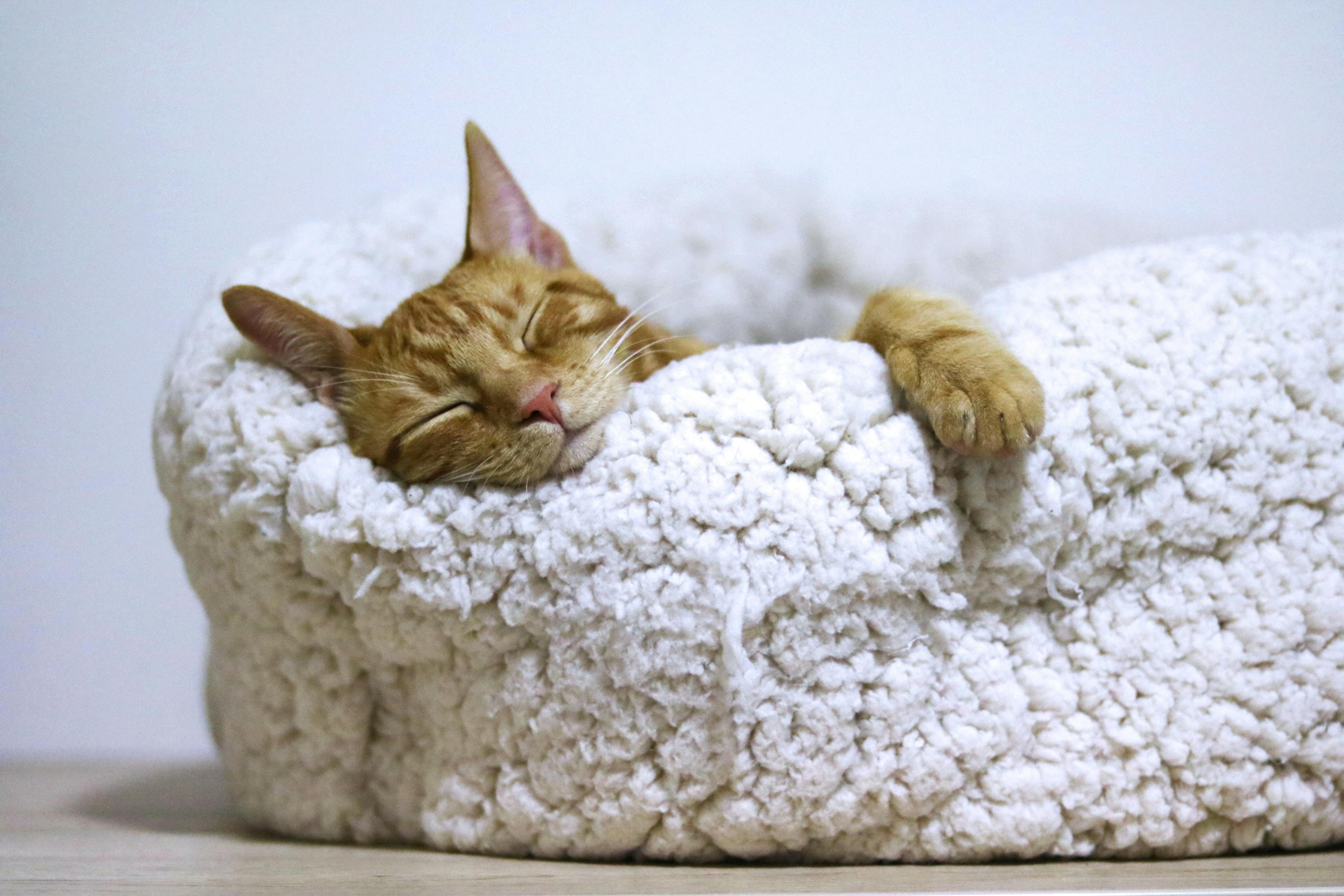
Start by setting up a quiet room where your cat can settle in without pressure. This space should include everything they need: food and fresh water, a litter box, a scratching post, and a cozy bed or blanket.
Adding a few hiding spots like cardboard boxes or draped blankets, can help your cat feel more secure and in control.
Take It Slow With Introductions
Let your cat explore their new space at their own pace. Keep the door closed at first so the room feels predictable and safe.
Spend calm, quiet time with your cat, talk softly, offer treats, and allow gentle interaction if they’re open to it. This helps build positive associations with their new surroundings.
Use Scent to Build Familiarity
Scent plays a huge role in how cats understand their environment. Gently rub a soft cloth on your cat’s cheeks, then wipe it on furniture or doorways around the home. This spreads your cat’s scent and helps the space feel more familiar and less intimidating.
Introduce Household Sounds Gradually
New sounds can be stressful at first. Slowly expose your cat to everyday noises like the TV, radio, or normal household activity so they can adjust without being startled.
You may also consider using a calming pheromone diffuser or spray to help create a more relaxed atmosphere.
Supervised Exploration of the Home
Once your cat seems comfortable in their safe room, you can open the door and let them explore other areas—always under supervision.
Watch their body language. If they seem overwhelmed, gently guide them back to their safe space and try again later. There’s no rush.
Introducing Other Pets
If you have other pets, introductions should be slow and controlled.
A helpful first step is scent exchange. Rub a cloth on each pet and allow the others to smell it. This helps everyone get familiar before moving on to short, supervised face-to-face interactions.
Offer Mental and Physical Stimulation
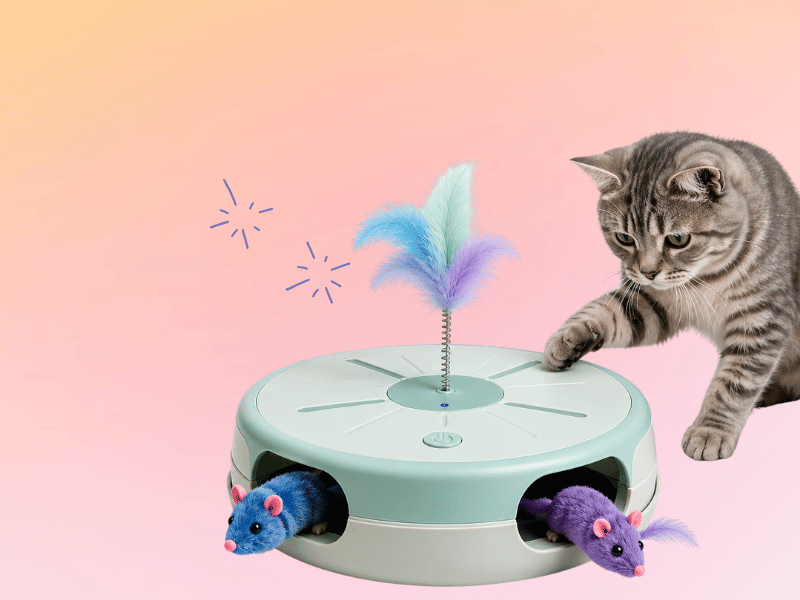
Interactive toys, scratching posts, and puzzle feeders can help reduce stress and boredom. A stimulated cat is often a more confident and relaxed cat.
Be Patient and Pay Attention
Don’t assume your cat will “figure it out” on their own. Watch for signs of stress, fear, or discomfort, and adjust your approach if needed.
Creating a calm, supportive environment takes time—but it’s worth it. With patience, consistency, and kindness, you can help your cat feel safe and truly at home.