


“Sleep all day, party all night—it’s fun to be a vampire… I mean, a cat, of course.”
If your cat turns into a tiny, relentless opera singer the moment you get into bed, you’re not alone. Nighttime meowing is one of the most common behavior complaints among cat owners—and one of the most frustrating.
The good news? It’s usually fixable once you understand why it’s happening.
Below, you’ll find the most common reasons cats vocalize at night, plus expert-backed ways to help everyone get better sleep.
Why Do Cats Meow at Night?
Cats are naturally more active during dawn and dusk (a behavior called crepuscular activity). But excessive nighttime meowing usually signals a need—or a problem—that’s going unmet.
1. Your Cat Is Bored (and Finally Wide Awake)
Indoor cats often sleep most of the day, especially if you’re out or working. By nighttime, they’re fully recharged and looking for stimulation.
What it sounds like:
Short, repetitive meows, pacing, or attempts to get your attention.
Expert insight:
Veterinary behaviorists often point out that lack of enrichment is a major trigger for nighttime vocalization. Cats need both mental and physical stimulation to stay balanced.
What helps:
- Schedule interactive play sessions in the evening (10–15 minutes)
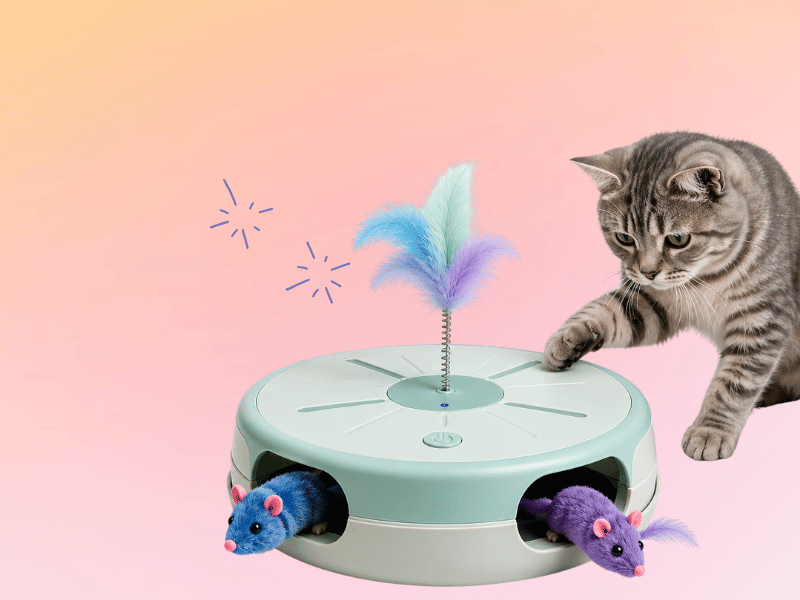
- Use wand toys, laser pointers (carefully), or puzzle feeders
- Rotate toys to keep things “new”

2. Your Cat Is Hungry
Some cats associate nighttime with feeding—especially if they’ve been rewarded for waking you up before.
What it sounds like:
Persistent meowing near your bedroom door or kitchen.
What helps:
- Feed a small meal right before bedtime
- Consider an automatic feeder for early morning hours
- Avoid reinforcing the behavior (no midnight snacks on demand)
3. Your Cat Wants Attention
Yes, your cat might just… miss you.
If your schedule is busy, nighttime may be the only quiet time they get with you.
What it sounds like:
Loud, drawn-out meows, often escalating if ignored.
Expert insight:
According to animal behavior specialists, cats quickly learn which behaviors get a response—even negative attention can reinforce the habit.
What helps:
- Give focused attention before bedtime (play + affection)
- Ignore attention-seeking meows during the night (consistency is key)
4. Your Cat Is Stressed or Anxious
Changes in the home—new pets, moving, even rearranging furniture—can trigger nighttime vocalization.
What it sounds like:
Restless pacing, vocalizing in different rooms, sometimes combined with hiding or clinginess.
What helps:
- Maintain a consistent routine
- Provide safe, quiet sleeping spots
- Use calming aids (like pheromone diffusers)
5. Your Cat Is Aging (Cognitive Changes)
Senior cats may experience confusion or disorientation, especially at night—a condition similar to dementia in humans.
What it sounds like:
Loud, disoriented yowling, often in the middle of the night.
Expert insight:
Veterinarians note that cognitive dysfunction in older cats can disrupt sleep cycles and increase vocalization.
What helps:
- Keep nightlights on
- Stick to predictable routines
- Talk to your vet about supportive care or supplements
6. There Could Be a Medical Issue
Pain, hyperthyroidism, hearing loss, or high blood pressure can all cause increased vocalization.
What it sounds like:
Sudden changes in behavior, more intense or frequent meowing.
Expert advice:
If the behavior is new, worsening, or unusual for your cat, rule out medical causes first with a veterinarian.
7. Your Cat Might Need a Companion
Some cats aren’t just bored—they’re lonely.
If your cat spends long hours alone during the day, nighttime can become their only opportunity for interaction. In these cases, excessive meowing may be a sign they’re craving social stimulation.
What it sounds like:
Persistent meowing combined with clingy behavior, following you around at night, or trying to initiate play when you’re trying to sleep.
Expert insight:
Many veterinarians and feline behaviorists agree that, in the right situation, adopting a second cat can significantly reduce boredom-related behaviors. Cats that are well-matched in age and energy level often keep each other entertained—especially during those early morning and late-night hours when humans are off-duty.
What helps:
- Consider adopting a second cat with a similar temperament and energy level
- Introduce them gradually and properly to avoid stress
- Choose a companion that matches your current cat’s personality (not all cats want a friend)
Important to know:
Adding another cat isn’t a guaranteed fix. Some cats prefer being the only pet, and a poor match can increase stress—and vocalization.
How to Stop Nighttime Meowing (Without Losing Your Mind)
Here’s a simple, realistic plan you can start tonight:
Create a Night Routine
- Play → feed → calm down → sleep
This mimics a cat’s natural hunt-eat-sleep cycle.
Don’t Reward the Behavior
- No talking, feeding, or reacting during nighttime meowing
- Even eye contact can reinforce it
Add Enrichment
- Puzzle toys
- Window perches
- Safe nighttime activities
Adjust the Environment
- Leave out toys or food puzzles
- Provide cozy sleeping spots near you (if appropriate)
Be Consistent
This is the hard part—but also the most important.
Behavior change can take a few days to a few weeks.
When to See a Vet
Contact your vet if:
- The meowing started suddenly
- Your cat is older and seems disoriented
- There are other symptoms (weight loss, appetite changes, restlessness)
The Bottom Line
Nighttime meowing isn’t random—it’s communication.
Your cat might be bored, hungry, anxious, or simply out of sync with your schedule. Once you identify the cause, small changes in routine and environment can make a big difference.
And yes—sleep is possible again.