

Everything Modern Cat Ladies (and Gents) should know
Starting January 1, 2026, the Netherlands is officially drawing a line in the litter box.
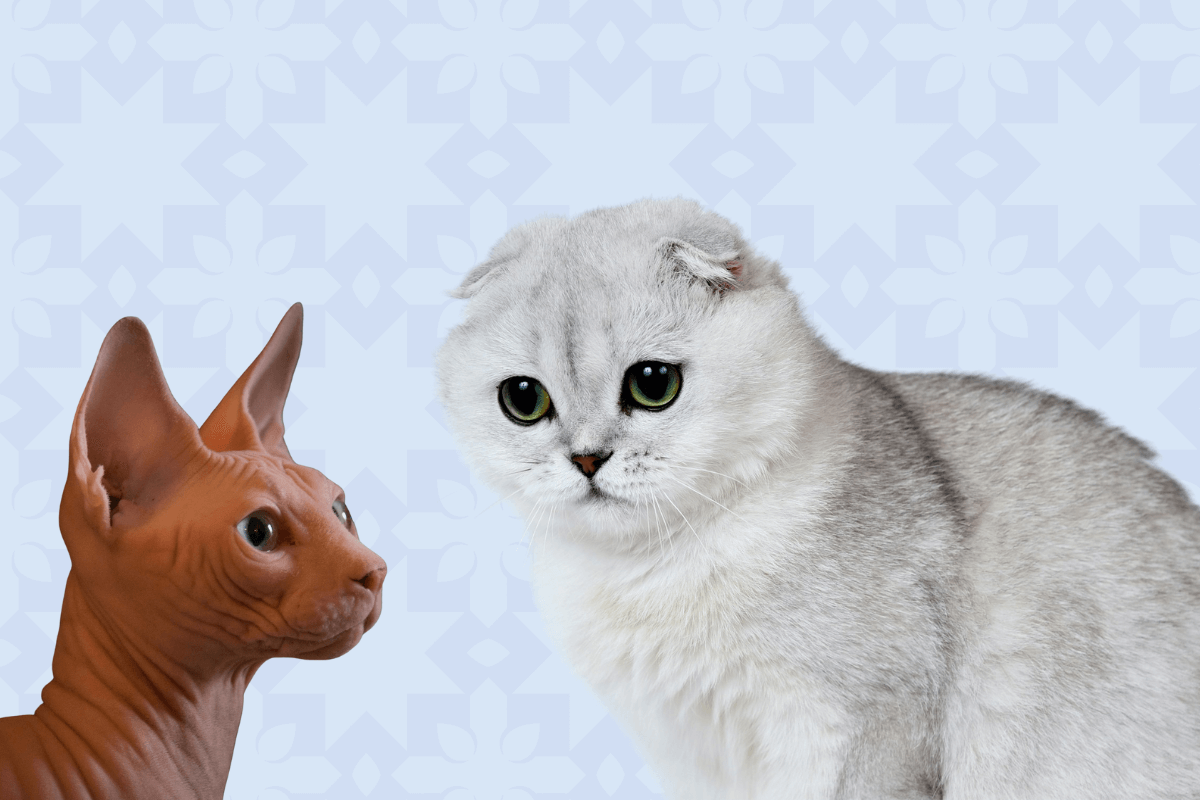
Two well-known cat types—fold-eared cats and hairless cats—are now banned from being newly owned, sold, bred, imported, or displayed in the country. The move is part of a broader animal-welfare push aimed at one core idea: no cat should suffer for the sake of aesthetics.
If your first reaction is “Wait—what?” you’re not alone. Here’s the full breakdown, compassionate, and without panic.
Which Cats Are Banned?
The ban applies to:
- Fold-eared cats, most famously the Scottish Fold
- Hairless cats, including the iconic Sphynx
The law doesn’t target the cats themselves—it targets the breeding and trade of cats with inherited traits that cause chronic health problems.
Why These Breeds?
This decision wasn’t about trends or public opinion. It’s rooted in veterinary science.
Fold-eared cats
Those cute folded ears are caused by a genetic mutation affecting cartilage—not just in the ears, but throughout the body. Many of these cats develop:
- Painful joint disease
- Stiffness and limited mobility
- Progressive skeletal problems that worsen with age
In short: the ears are a symptom of a much bigger issue.

Hairless cats
While undeniably striking, hairless cats lack natural protection. Many struggle with:
- Temperature regulation
- Skin infections, sunburn, and injuries
- Abnormal or missing whiskers, which affects navigation and comfort
Yes, plenty of owners provide excellent care—but the baseline vulnerability remains.
The Dutch government’s position is simple: breeding animals with built-in suffering is no longer acceptable.

What Changes on January 1, 2026?
From that date forward in the Netherlands:
- You cannot buy, adopt, receive, import, or trade these cats
- Breeding them is prohibited
- Showing them at exhibitions or cat shows is banned
- Selling them online or via private arrangements is illegal
This closes previous loopholes, including imports from abroad.
Already Have One? Here’s the Calm Part.
If you already live with a fold-eared or hairless cat—breathe.
✔️ Cats born before January 1, 2026 may stay with their owners for life
✔️ They must be microchipped and registered as owned before the cutoff
✔️ You can continue to love, spoil, insure, and medically care for them
What you can’t do is sell, rehome commercially, or show them.
This is not a confiscation law. It’s a “no new suffering” law.
What Happens If Someone Breaks the Rules?
Violations can result in fines of up to €1,500 per offense. Enforcement focuses on breeders, sellers, and illegal trade—not responsible pet parents acting in good faith.
Final Word (Where We Stand)
If you’re a cat lover in the Netherlands (or planning to be), this ban matters. It reshapes how cats are bred, sold, and valued—and nudges all of us toward a more ethical definition of “beautiful.”
This isn’t about shaming owners. It’s about asking a hard question we don’t love to ask:
If a trait causes pain, should we keep breeding it—just because we like how it looks?
The Netherlands has answered no.
Whether other countries will follow is still an open question—but this law sets a powerful precedent: cute should never come at the cost of comfort.
Because being a Modern Cat Lady isn’t just about loving cats. It’s about protecting them—even when it’s uncomfortable.