


Adopting your first cat is an exciting milestone, but it can also feel overwhelming when you’re standing in the pet store aisle wondering what you actually need. The good news? You don’t need everything at once. Some items are day-one essentials, while others can wait until you’ve gotten to know your new feline friend’s preferences.
This comprehensive checklist prioritizes what matters most, helping you prepare your home for a smooth transition and a happy, healthy cat.
Before You Bring Your Cat Home
Find a Veterinarian
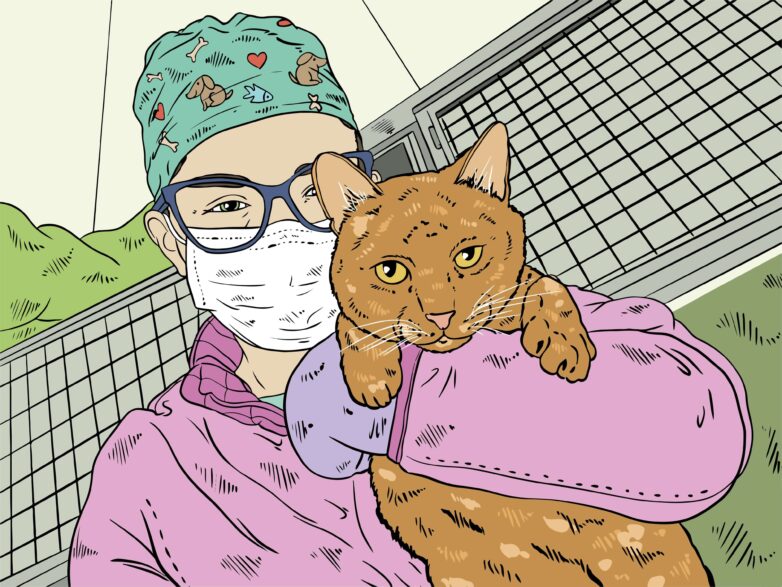
Before your cat even steps paw into your home, establish a relationship with a trusted veterinarian. This ensures you’re prepared for that crucial first check-up, which should happen within the first few days of adoption.

A good vet will provide essential preventative care, including vaccinations, parasite prevention, and wellness exams. They’ll also be your go-to resource for questions about nutrition, behavior, and any health concerns that arise. Ask friends, family, or your local shelter for recommendations, and don’t hesitate to schedule a meet-and-greet to find a practice where you feel comfortable.
Day-One Essentials
Food and Water Bowls
You’ll need separate bowls for food and water from the moment your cat arrives. Stainless steel or ceramic bowls (ensure ceramic is lead-free) are your best options because they’re durable, easy to clean, and don’t harbor bacteria like plastic can.
Consider placing water bowls in multiple locations around your home, as cats often prefer drinking away from their food source. Some cats also enjoy wider, shallow bowls that don’t touch their sensitive whiskers.
Cat Food: Dry and Wet Options
Your cat needs food immediately, but you don’t need to have everything figured out on day one. Start by asking the shelter or previous owner what your cat has been eating, and purchase a small amount of the same food to avoid digestive upset.
What to look for in quality cat food:
Choose age-appropriate formulas, as kittens, adults, and senior cats have different nutritional requirements. Look for products labeled “complete and balanced” by the Association of American Feed Control Officials (AAFCO), which ensures the food meets established nutritional standards.
High-quality protein sources like chicken, turkey, or fish should appear as the first ingredient. Avoid foods heavy in fillers, artificial additives, or vague ingredients like “meat by-products.”
Wet food, dry food, or both? Many veterinarians recommend a combination. Wet food provides hydration and is often more palatable, while dry food can support dental health and offers convenience. Your vet can help you determine the best approach based on your cat’s age, health, and preferences.
If you need to switch foods, do so gradually over 7-10 days by mixing increasing amounts of the new food with the old to prevent stomach upset.
Litter Box and Litter
One of cat ownership’s greatest conveniences is the litter box, but choosing the right setup matters more than you might think.
Selecting the right litter box: Size matters. Your litter box should be large enough for your cat to comfortably turn around and dig. As a general rule, the box should be about 1.5 times the length of your cat. Kittens can start with smaller boxes but will need larger ones as they grow.
Entry accessibility is equally important. Boxes with low sides work well for kittens and senior cats, while healthy adult cats can typically manage higher sides that contain litter scatter better.
Covered vs. uncovered: This depends on your cat’s personality. Covered boxes contain odors and provide privacy, but some cats feel trapped or refuse to use them. Uncovered boxes offer better ventilation and visibility but may spread litter more. If you’re unsure, start with an inexpensive uncovered box or choose a covered option with removable parts so you can adapt based on your cat’s preference.
Choosing the right litter: This is one area worth investing in quality. Good litter controls odors effectively, making your home more pleasant for everyone.
A good first litter box can make a huge difference in helping a new cat feel safe and settle in faster. This Tripamin Stainless Steel Cat Litter Box gets the basics right without overcomplicating things. The open-top design helps cats feel less confined, which is especially helpful during those first few weeks. The stainless steel base doesn’t absorb odors like plastic can, making it easier to keep fresh over time. And price-wise, it sits in that sweet spot—not the cheapest, not overpriced, just a solid long-term choice for first-time cat parents.
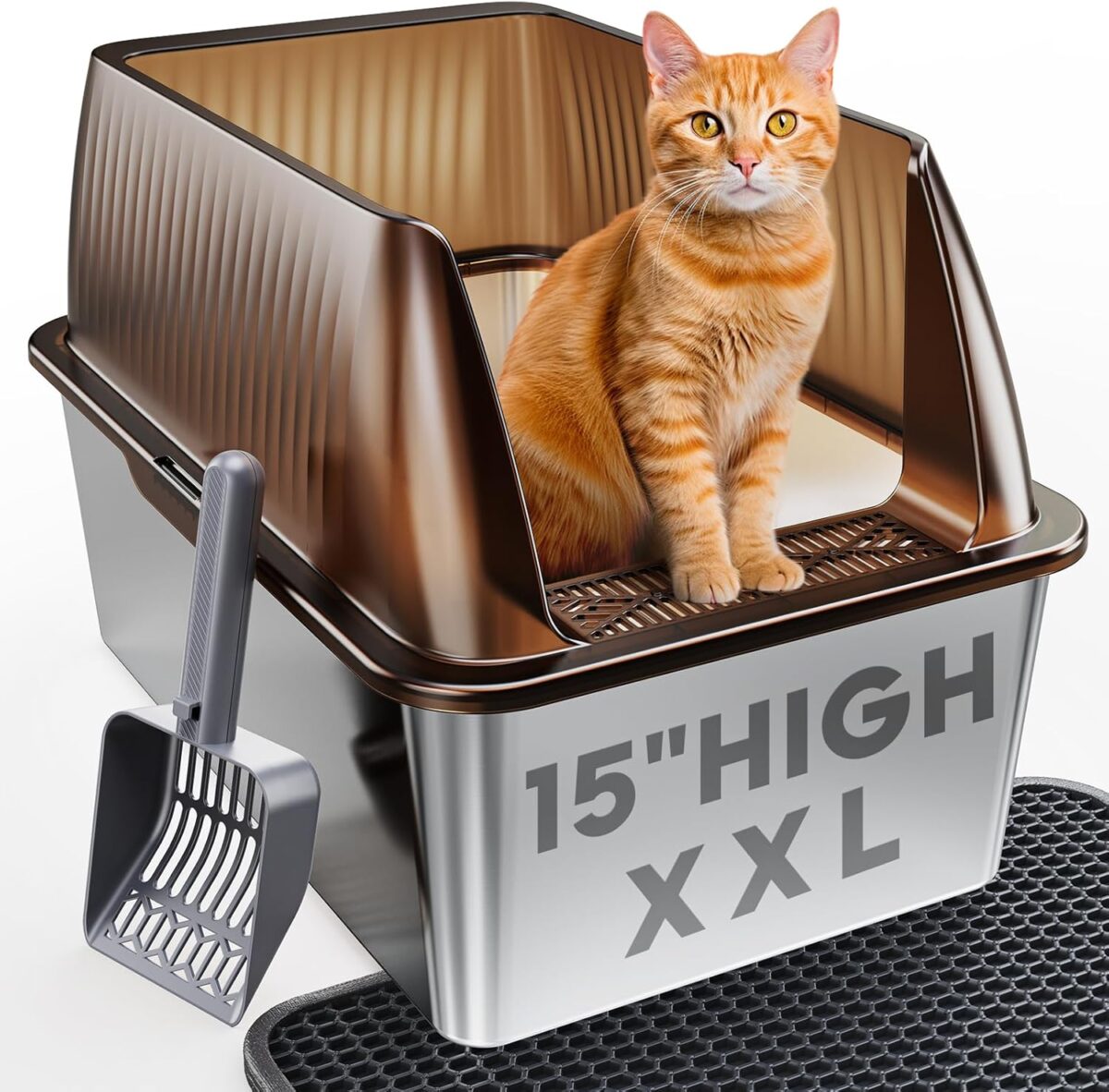
Buy on Amazon →
Clumping clay litter remains popular because it forms solid clumps for easy scooping. Alternative options include crystal, recycled paper, pine, and wheat-based litters. Each has pros and cons regarding odor control, dust levels, and environmental impact.
Pay attention to dust content, especially if your cat has respiratory sensitivities. Low-dust or dust-free options minimize irritation for both you and your cat. While some litters include added scents, strong fragrances can deter cats from using the box. High-quality unscented litter typically controls odors naturally.
Remember that cats can be particular about texture and scent. If your cat avoids the litter box, the litter itself might be the problem, so be prepared to experiment.
Cat Carrier
A sturdy, secure carrier is non-negotiable. You’ll need it immediately for that first vet visit, and it will serve you throughout your cat’s life for travel and emergencies.
Choose a carrier that’s large enough for your cat to stand up and turn around comfortably. Hard-sided carriers with secure latches offer the best safety, though soft-sided options work for calm cats and short trips. Making the carrier inviting with a soft blanket or familiar-smelling towel can significantly reduce your cat’s stress during transport.
Important But Not Immediate
Cat Toys
Play is essential for your cat’s physical and mental health, helping them burn energy, stay mentally sharp, and bond with you. However, you can take time to learn what your cat enjoys before investing heavily in toys.
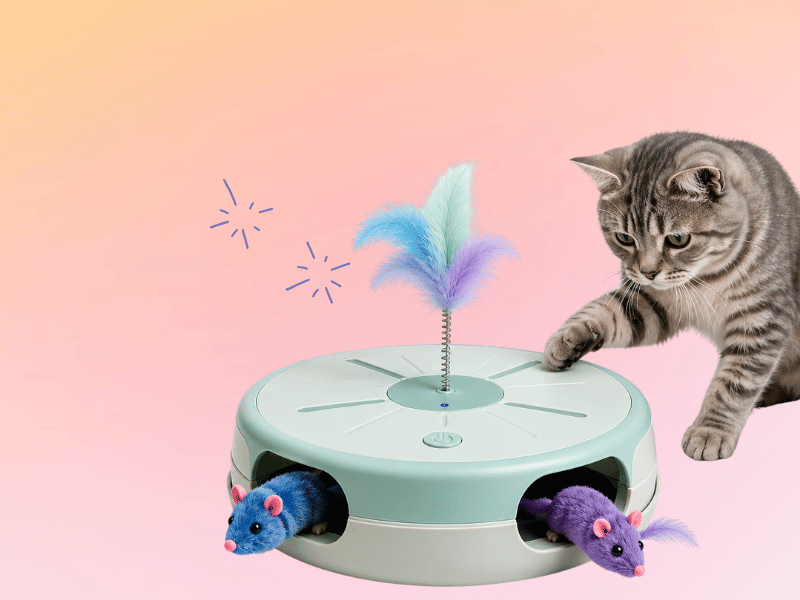
Start with a simple feather wand or interactive toy, which appeals to most cats’ hunting instincts. As you observe your cat’s play style, you can add variety like balls, mice, puzzle feeders, or electronic toys. Rotating toys regularly keeps playtime interesting and engaging.
Scratching Post
Scratching is a natural, necessary behavior. Cats scratch to stretch their muscles, maintain their claws, and mark territory. Without an appropriate outlet, they’ll turn to your furniture, carpet, or curtains.
Scratching posts come in various materials (sisal, carpet, cardboard) and orientations (vertical, horizontal, angled). Many cats prefer tall, sturdy vertical posts that allow them to stretch fully. Place scratching posts near areas where your cat sleeps or spends time, as cats often scratch after waking.
If your cat ignores the post initially, try sprinkling it with catnip or placing it near their favorite spots. Positive reinforcement when they use it correctly helps establish good habits.
Cat Tree
A cat tree provides more than just entertainment—it’s a multi-functional piece that satisfies several feline needs at once. Cats instinctively seek high vantage points where they can observe their territory safely. A cat tree offers elevated perches, hiding spots, and often integrated scratching surfaces.
While not strictly essential, a cat tree significantly enriches your cat’s environment, particularly for indoor cats who don’t have access to outdoor stimulation. If space or budget is limited, even a simple perch or shelf system can fulfill this need.
Grooming Tools
Brush or comb: Regular brushing removes loose fur, prevents matting, and reduces hairballs. Long-haired cats need more frequent grooming—sometimes daily—while short-haired cats benefit from weekly sessions. Choose a brush appropriate for your cat’s coat type.
Nail clippers: Trimming your cat’s nails every few weeks prevents overgrowth and reduces scratching damage. Cat-specific clippers make the job easier and safer.
Toothbrush and toothpaste: Dental disease is common in cats but largely preventable. Using a cat-specific toothbrush and toothpaste helps prevent tartar buildup and gum disease. Introduce dental care gradually, and ask your vet to demonstrate proper technique.
Cat shampoo: Most cats are meticulous self-groomers and rarely need baths. However, having cat-friendly shampoo on hand is useful for situations when your cat gets into something messy or develops specific skin conditions. Never use human shampoo, which can irritate feline skin.
Start grooming sessions when your cat is young and keep them short at first, gradually extending the time as your cat becomes comfortable with handling.
Catnip
Catnip is an optional but enjoyable addition to your cat care arsenal. This herb from the mint family contains nepetalactone, a compound that triggers playful, relaxed behavior in many cats—including rolling, rubbing, and purring.
Not all cats respond to catnip; sensitivity is genetic, with about 50-70% of cats affected. Kittens under three to six months typically don’t respond at all. The effects last only 10-15 minutes, after which cats become temporarily immune for about 30 minutes to an hour.
Catnip is completely safe and non-addictive. Use it to encourage interaction with toys or scratching posts, but moderation is key—overexposure can diminish its effectiveness.
Creating a Welcoming Home
Bringing home a new cat is the beginning of a rewarding relationship. By preparing these essentials in advance, you’re setting both yourself and your cat up for success. Remember that every cat is unique, and you’ll learn their specific preferences over time.
Don’t stress about having everything perfect immediately. Start with the day-one essentials, observe your cat’s behavior and preferences, and adjust as needed. When in doubt, your veterinarian is an invaluable resource for personalized guidance.
Welcome to cat ownership—enjoy every moment of this exciting journey!